
Kenya X-Factor 2024
Western Kenya
Youth empowerment
Climate-smart agriculture
Background
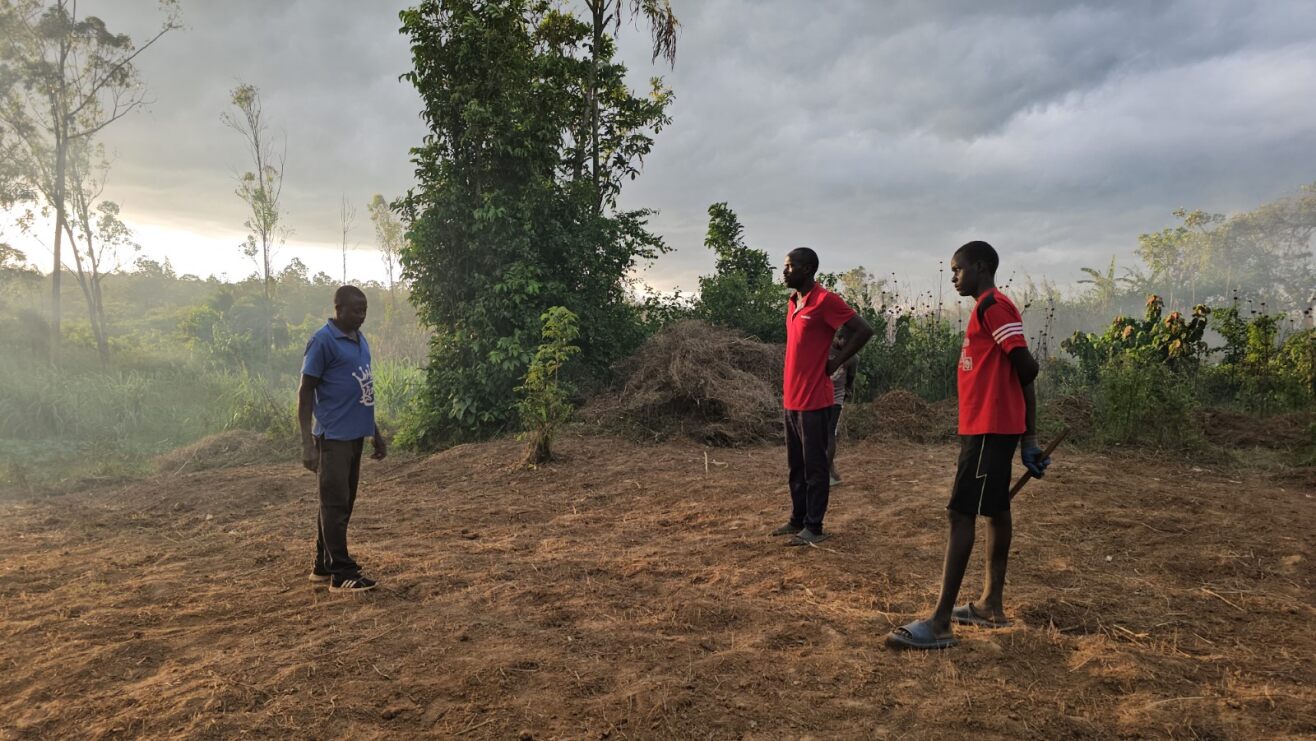
Siaya County in western Kenya is facing increasing environmental and socio-economic pressure. Low forest cover, soil degradation and unsustainable agricultural practices are reducing ecosystem resilience and weakening local livelihoods.
At the same time, many young people have only limited access to economic opportunities, even though they have the energy and potential to help shape a more sustainable future in their communities.
Siaya Green was developed in response to these challenges through a practical and community-based approach. The project connects ecological restoration with youth participation, sustainable agriculture and local capacity building. The formal partnership between Let’s Plant e.V. and Potential X-Factor Organization was established in December 2024, followed by the first implementation steps in 2025.
What we do
The project focuses on building a resilient local system that combines tree cultivation, food production and youth training in a practical and scalable way.
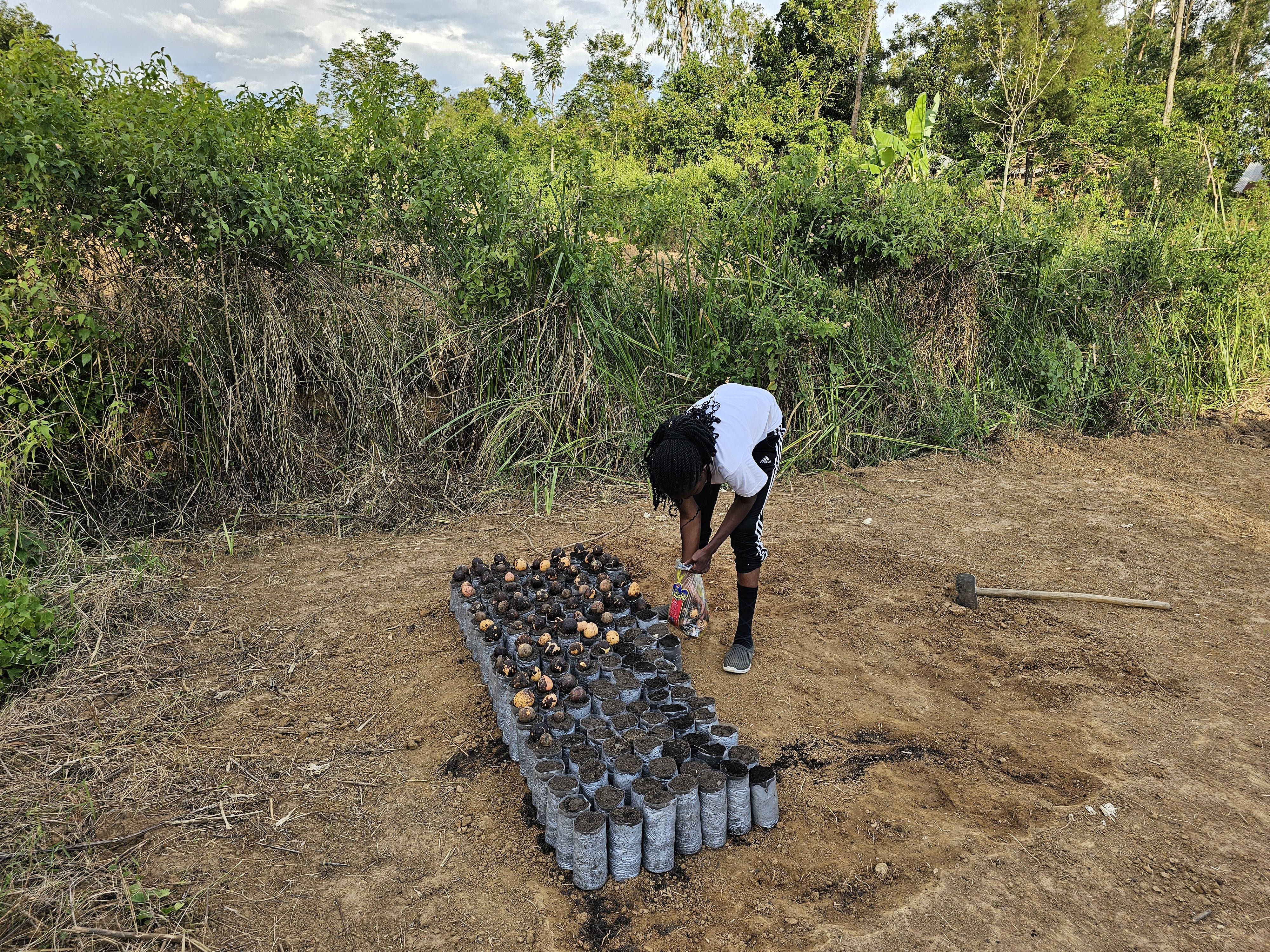
Key activities include the establishment of tree nurseries in community locations, the cultivation of different useful species such as avocado, mango, eucalyptus, passion fruit, lemon and papaya, and the development of practical agroforestry models for local households.
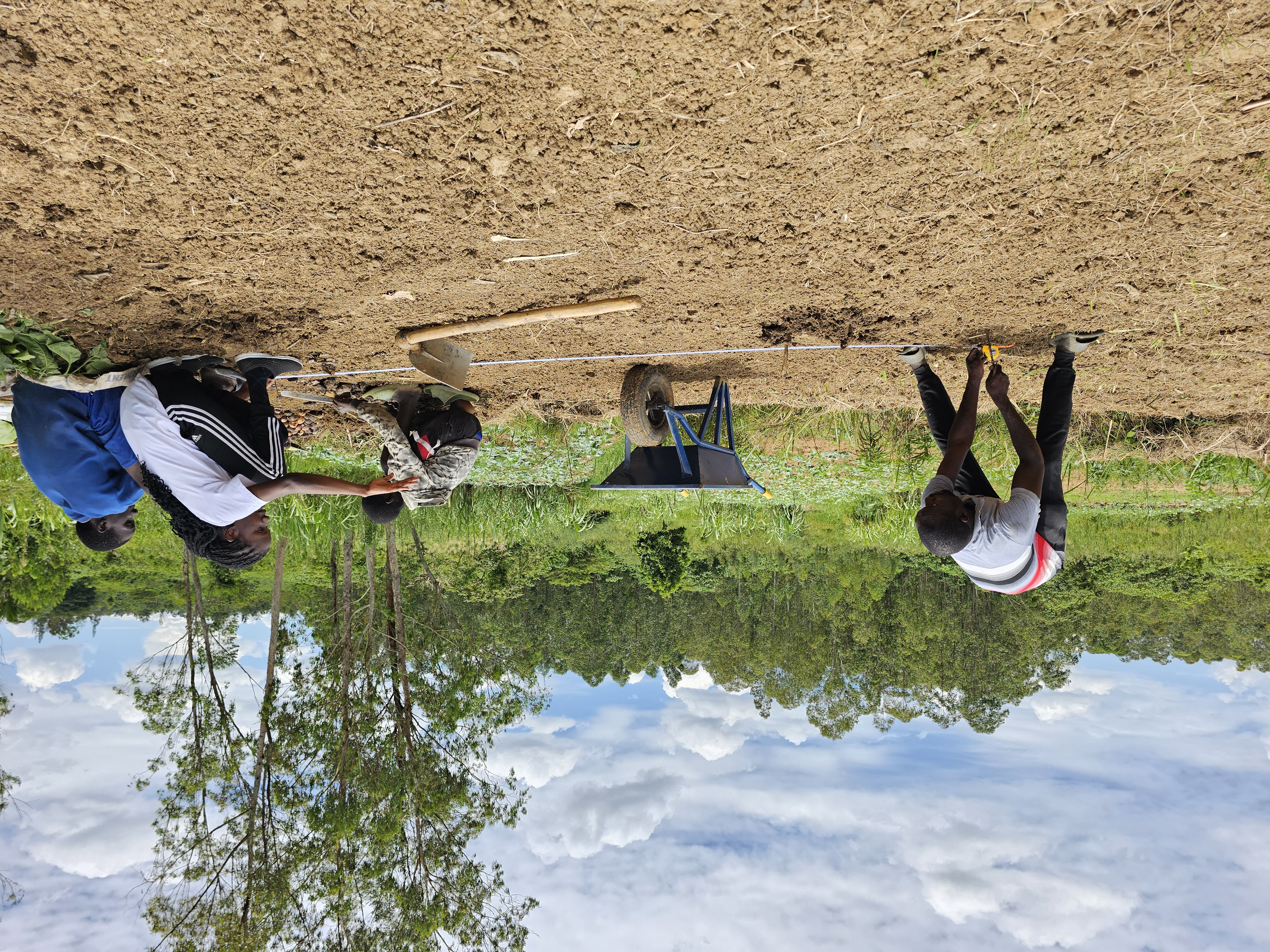
In Katuse Village, the project has already helped establish a tree nursery with more than 2,500 seedlings. The nursery was built step by step through site preparation, seed sowing, simple weather protection and the introduction of a logbook for monitoring plant development.
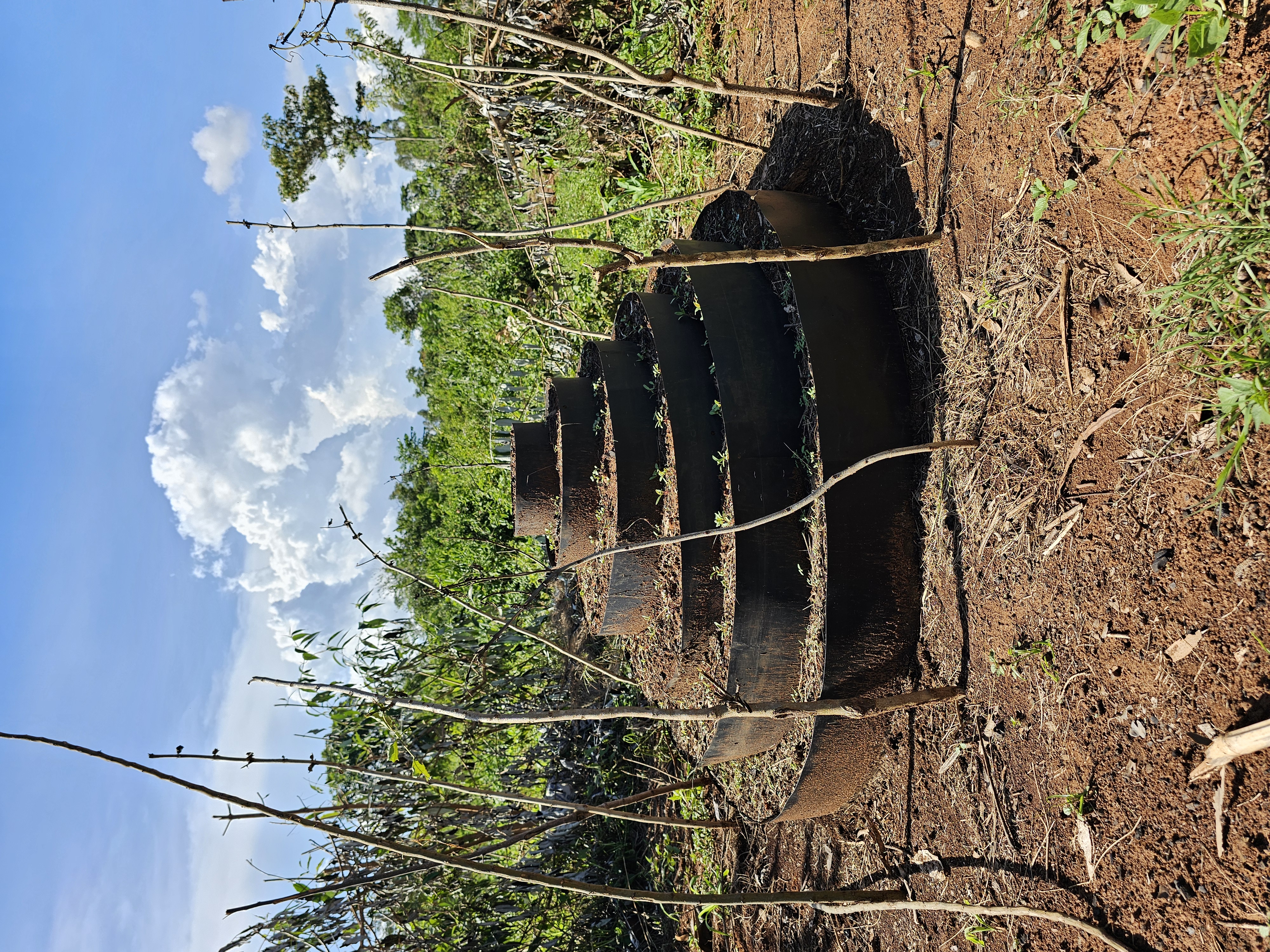
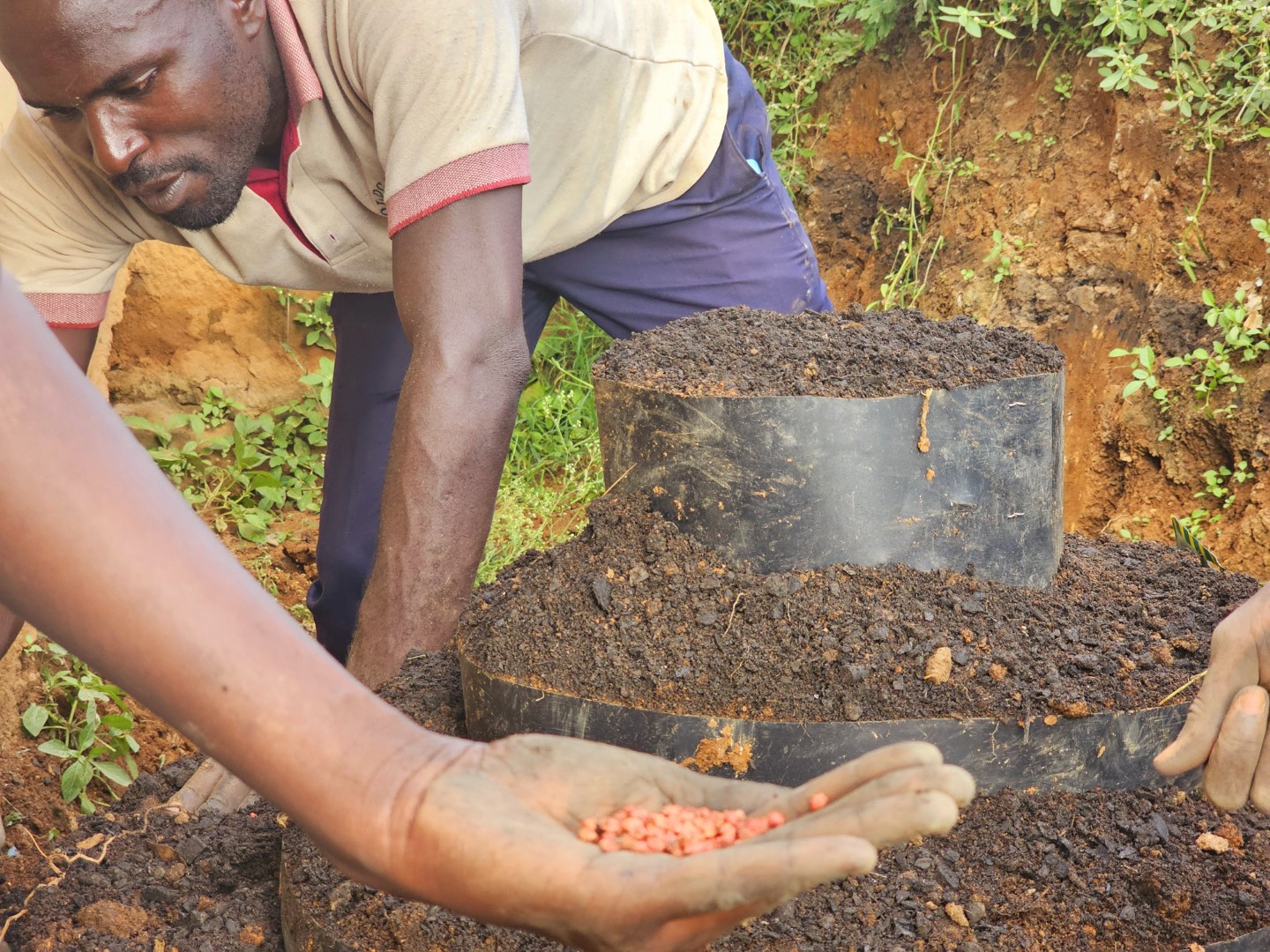
In addition, the project promotes innovative vegetable production through vertical gardens and tomato nurseries. These measures help improve household nutrition and strengthen self-sufficiency, especially where space is limited.
Young people are trained in climate-smart agriculture and basic agribusiness skills, so that they can actively contribute to implementation and develop practical knowledge for future livelihood opportunities. Bamboo is also being integrated as a fast-growing and multifunctional agroforestry component, using non-invasive clumping species and controlled management.
Why it matters
Siaya Green addresses several challenges at once. By promoting tree planting and agroforestry, the project contributes to restoring degraded landscapes, improving soil conditions and strengthening long-term climate resilience.
By complementing tree-based systems with vertical gardens and vegetable production, the project also supports food security and more diverse diets at household level. This increases the direct practical value of the project for participating families.
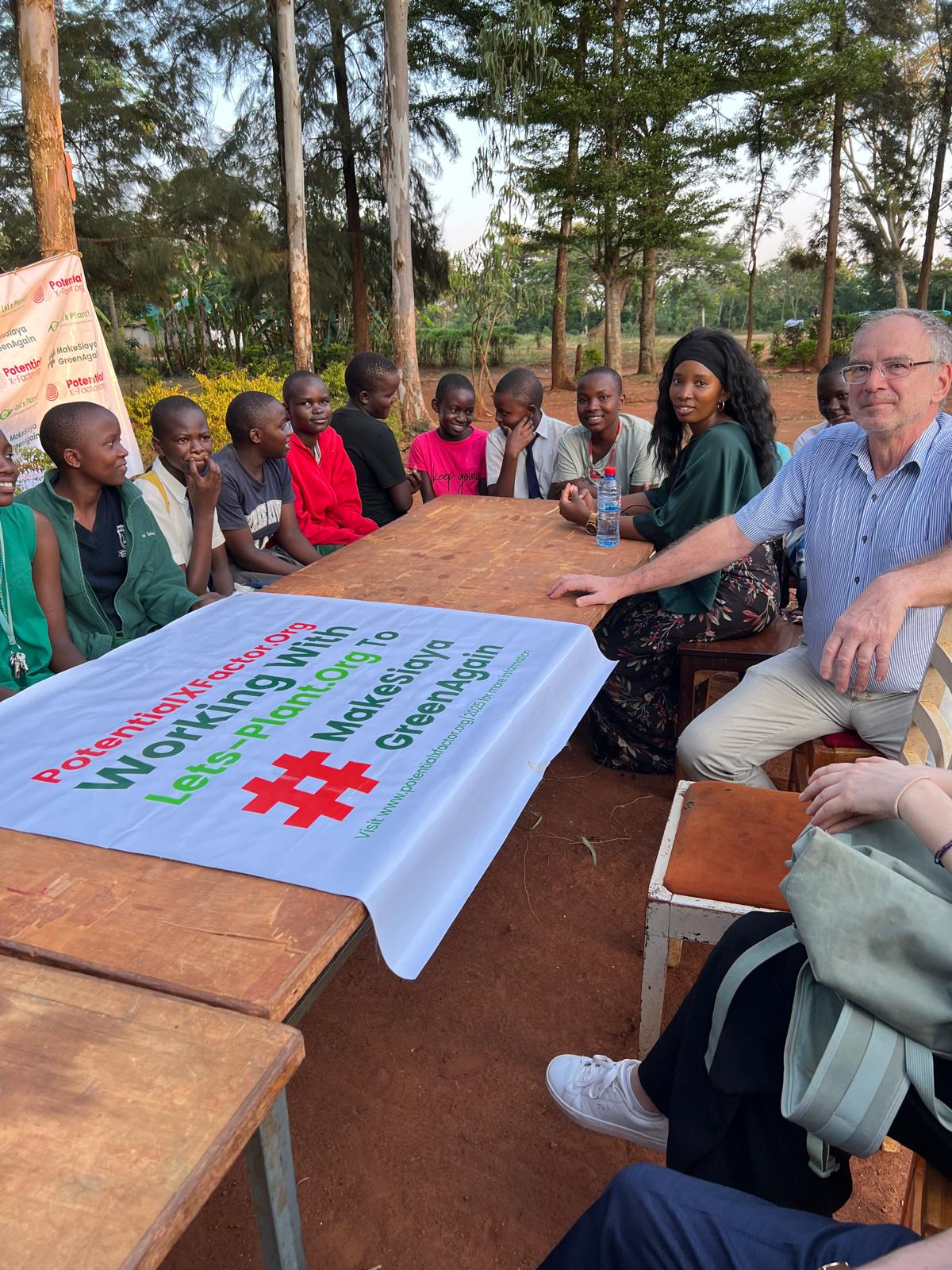
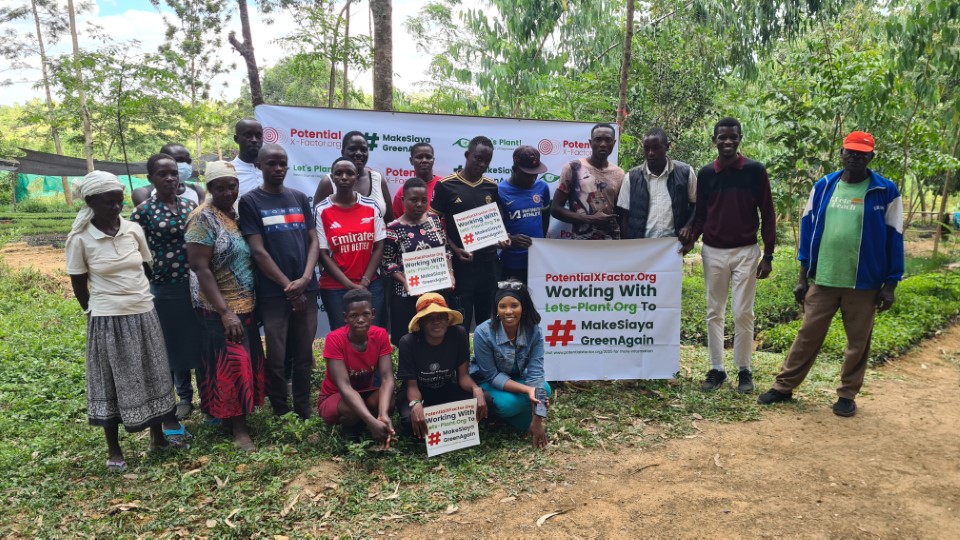
Just as importantly, the project gives young people an active role in shaping their communities. Instead of treating them only as beneficiaries, it involves them as learners, practitioners and multipliers. This strengthens responsibility, local ownership and social cohesion. The participation of young people has already been perceived positively by families and community members.
By combining ecological, social and economic dimensions, the project aims to create a model that can continue beyond the initial implementation phase and be expanded over time.
Partners and local engagement
Siaya Green is implemented in partnership with Potential X-Factor Organization, a community-based organization in Siaya that works with young people and focuses on creativity, empowerment and sustainable development.
The project is designed around local participation. Youth volunteers are directly involved in implementation, while nurseries and other project activities are embedded in community settings. This helps ensure that the project is not only delivered locally, but also shaped and sustained locally.
The cooperation between Let’s Plant e.V. and Potential X-Factor Organization is governed by a formal project agreement with clear arrangements for implementation, reporting, instalments and financial accountability.
Through this collaboration, the project combines ecological restoration, practical education and youth empowerment in a way that responds to local needs and strengthens long-term community resilience.
Outlook
The initial implementation phase of Siaya Green has been successfully completed. Key elements such as the establishment of the tree nursery, the introduction of vertical gardens and the involvement of local youth have been implemented and tested under real conditions.
The results show that the combined approach of agroforestry, food production and youth engagement is both practical and well received within the community. The structures created during this phase provide a solid foundation for further development.
Building on these experiences, a continuation of the project is currently being prepared. A second phase is intended to expand the activities, involve additional participants and further develop the agroforestry models at household and community level.
Through this step-by-step approach, Siaya Green is evolving from an initial pilot into a longer-term initiative that strengthens ecological resilience, food security and youth-driven development in western Kenya.