
Ghana BEES 2026
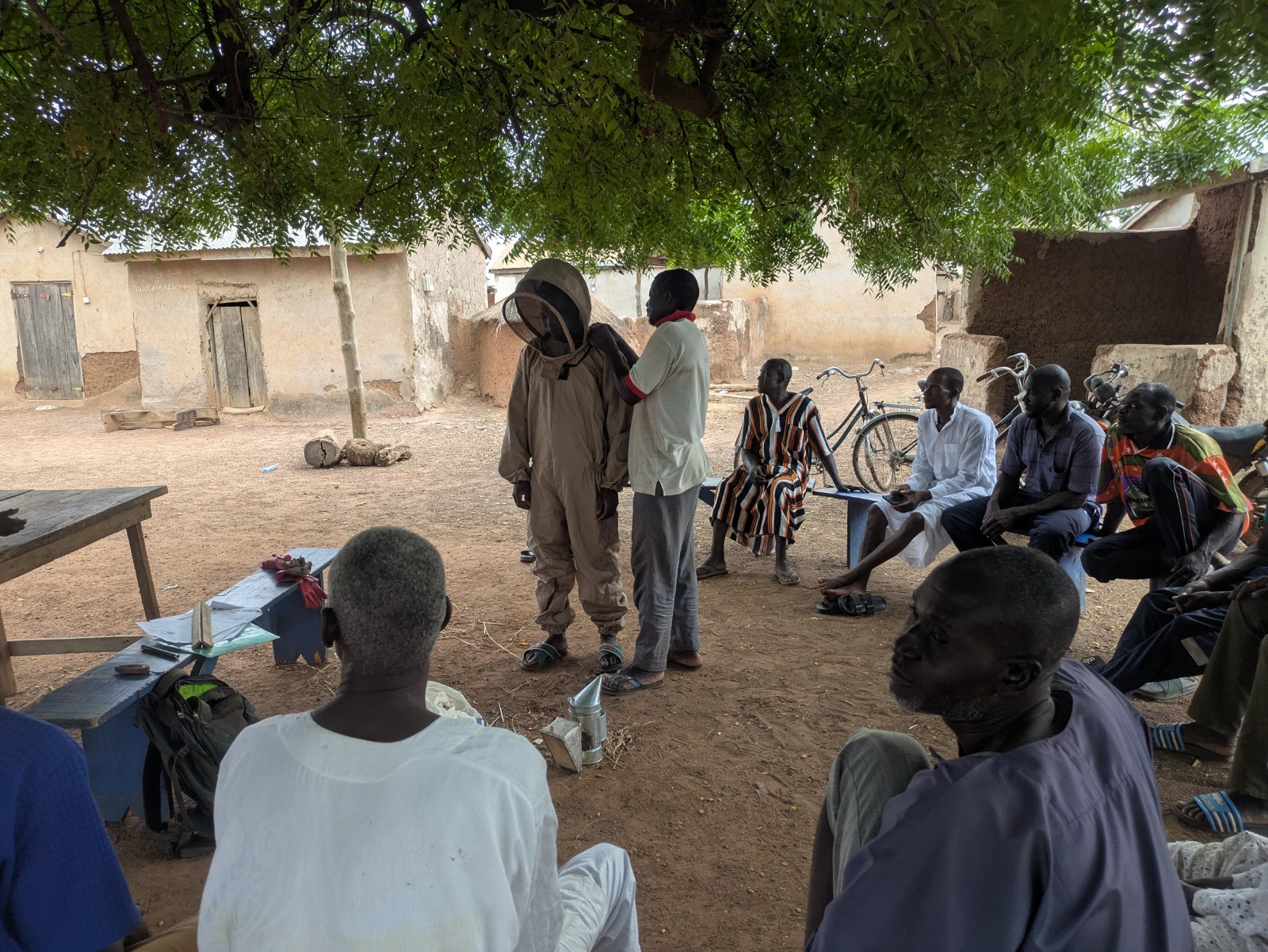
Local community groups
Livelihoods
Biodiversity
Agroecology
Background
Beekeeping offers a practical way to combine income generation with environmental restoration. In the Northern Region of Ghana, climate and vegetation provide favourable conditions for honey production, yet many rural communities lack access to training, equipment, and organisational support. At the same time, extensive farming and changing land-use patterns have reduced wild bee populations, affecting biodiversity as well as the pollination of local crops.
Ghana BEES 2026 responds to these challenges by establishing community-based beekeeping groups in four rural villages: Tarikpaa, Jagrido, Chegu, and Koduzhegu. The project is designed to strengthen livelihoods while also promoting pollinator health, ecological resilience, and more sustainable local land use.
What we do
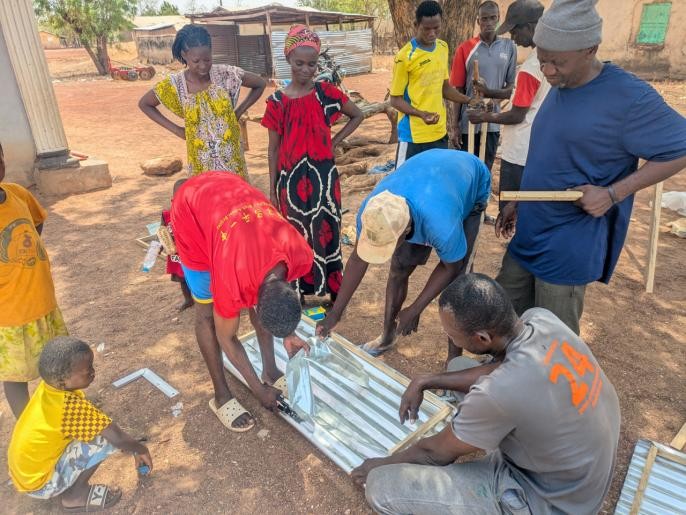
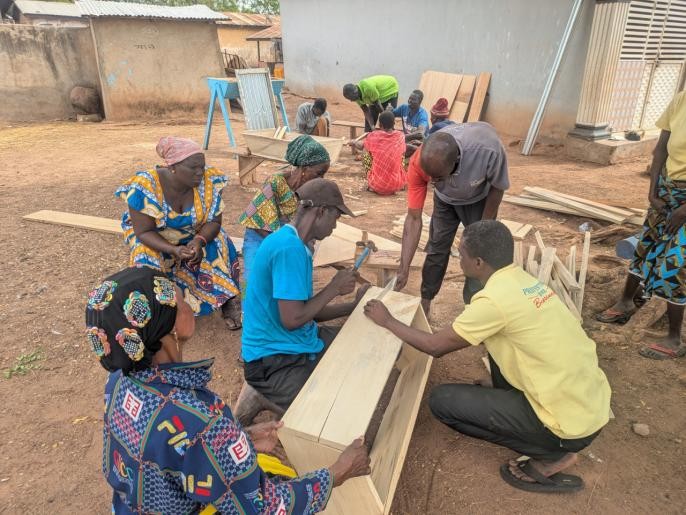
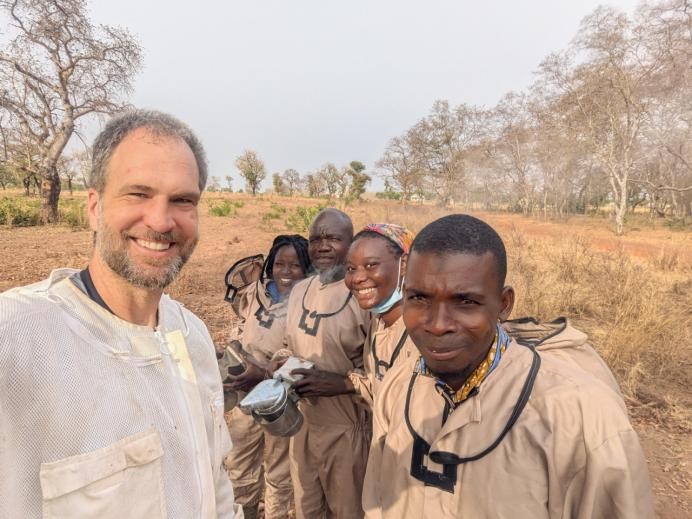
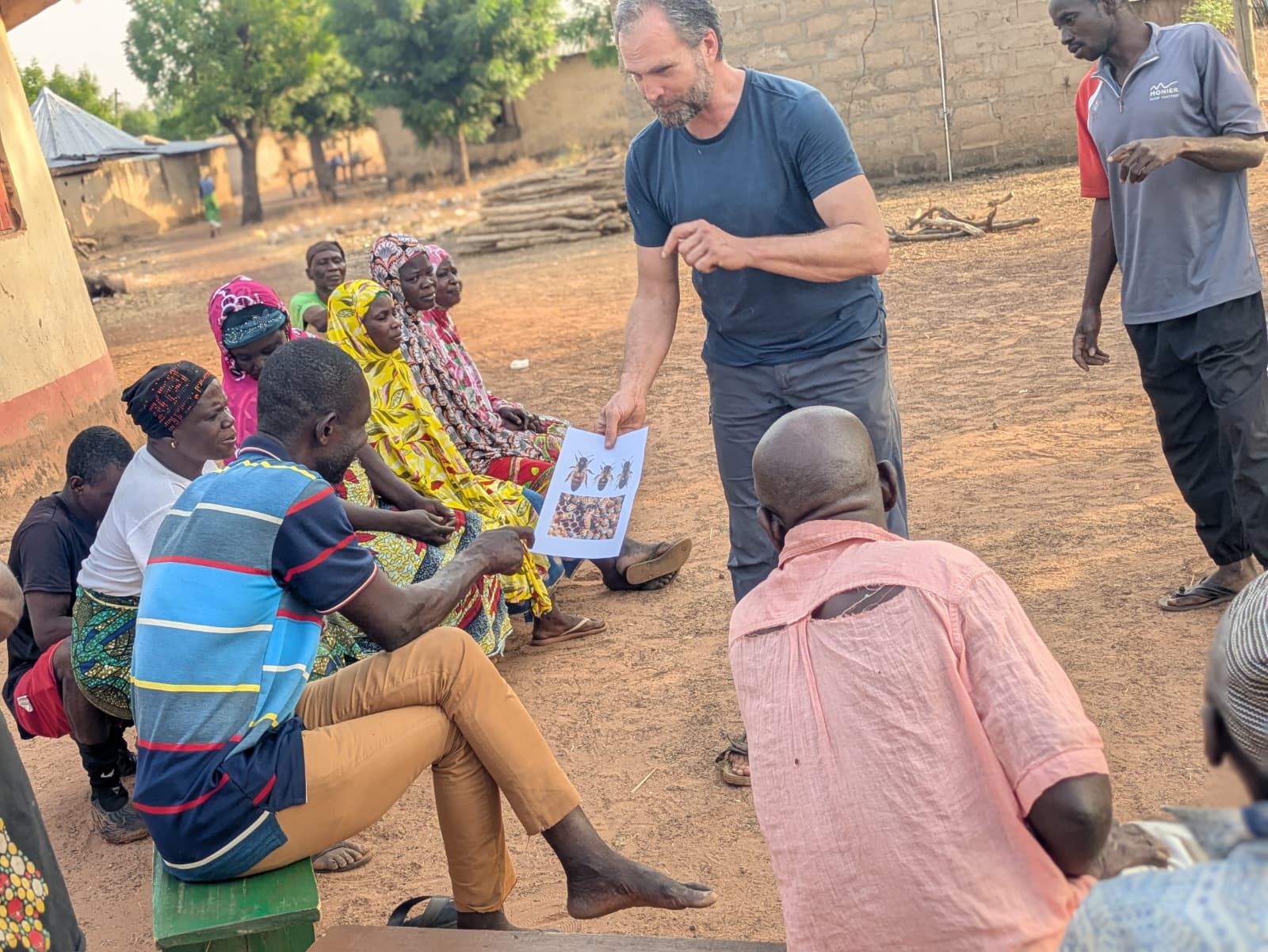
The project supports the formation of local beekeeping groups and provides hands-on training in sustainable hive management, honey production, harvesting, and processing. Special attention is given to the inclusion of young people and women, while maintaining a participatory approach that involves the wider community.
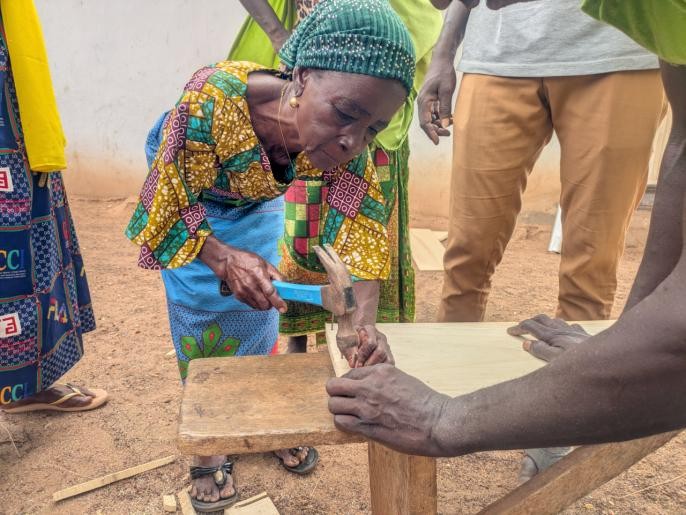
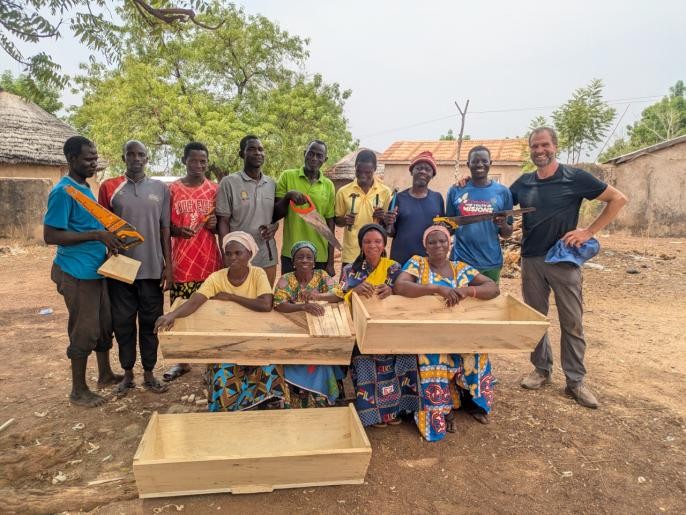
Across the four villages, 5 to 10 beehives per community are to be established using locally available materials. The project also provides essential tools and protective equipment and promotes farming and forestry practices that improve forage resources for bees and strengthen the overall effectiveness of pollination in local agricultural systems.
Implementation follows a phased approach over twelve months, beginning with community mobilisation and initial training, followed by hive construction, colony development, and longer-term support for sustainability.
Why it matters
Beekeeping creates a rare combination of ecological and economic benefits. Honey production can generate additional income for rural households, while stronger bee populations support pollination, biodiversity, and agricultural productivity. This makes the project relevant not only for livelihoods, but also for food security and climate resilience.
The project is also designed with long-term sustainability in mind. A portion of the honey harvest is intended to be reinvested in expanding beekeeping activities within the communities, reducing dependence on future external funding. In this way, Ghana BEES 2026 aims to become a locally rooted model for community-led environmental and economic development.
Partners and local engagement
Ghana BEES 2026 was initiated by Cécile Poitevin, recipient of the Let’s Plant Photo Competition award at Tropentag 2025, which forms the financial basis of the project. The implementation is planned together with local partners in Northern Ghana, with Brendon Malovrh named as implementing partner in the project proposal.
The project places strong emphasis on local ownership and inclusive participation. Beneficiaries are to be selected in close collaboration with the communities to ensure transparency, commitment, and equitable access. Beehives are planned to be placed on communal land so that benefits, responsibilities, and learning opportunities can be shared across the participating groups.
Outlook
Ghana BEES 2026 is designed as a self-sustaining initiative. Revenue from honey production will be reinvested to expand beekeeping activities within the communities. The project also aims to inspire further community-led environmental initiatives, particularly in agroforestry and habitat restoration.
In the long term, the initiative has the potential to grow into a scalable model for combining livelihoods and ecosystem restoration in rural regions.