Photo story from Yash Srivastava
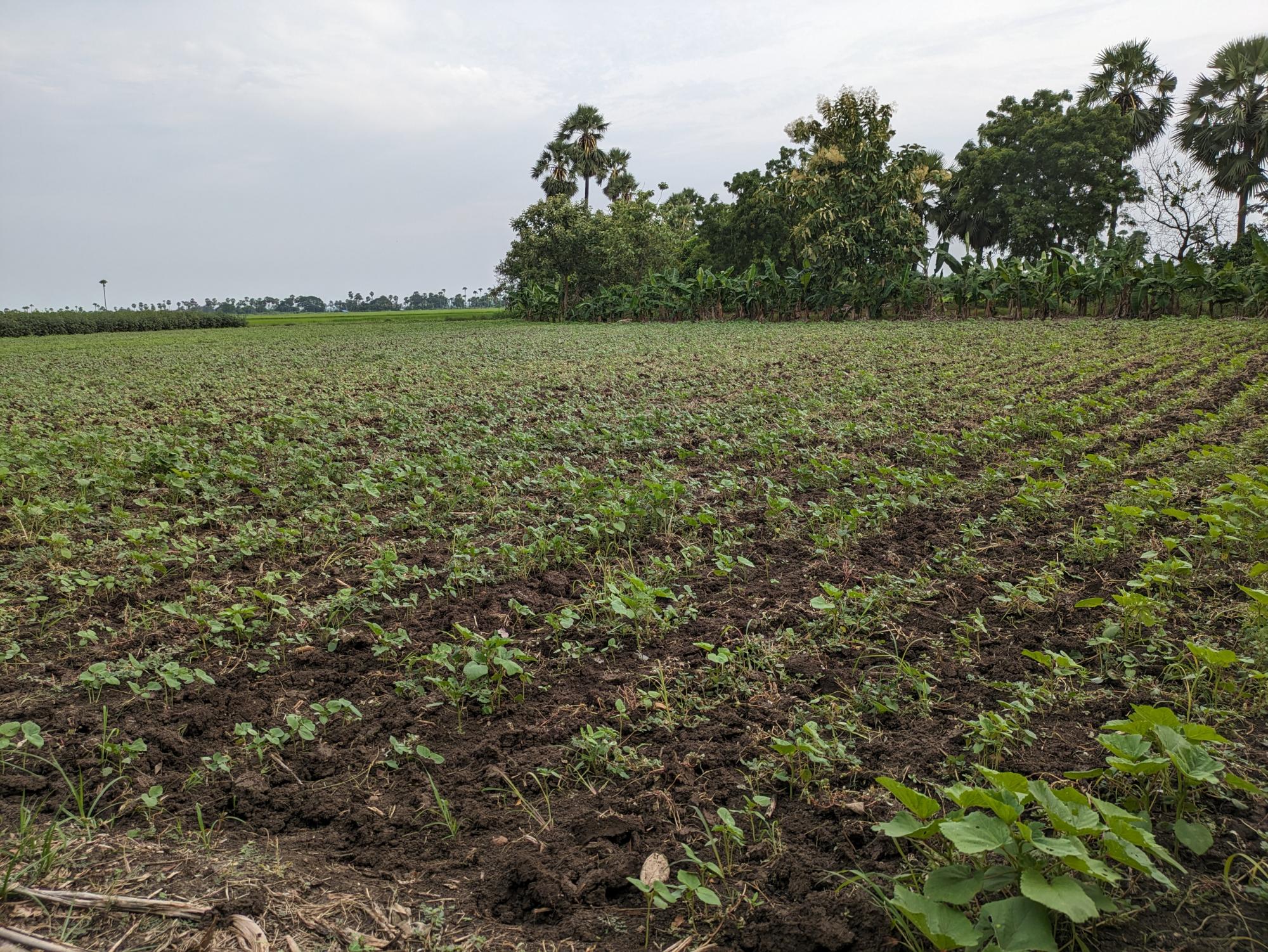
The world has seen a rising demand for food with a rising population, which has led to increased pressure on available natural resources. India reached this stage in the 1960s, and efforts led to the Green Revolution. It was input-intensive due to the adoption of High-Yielding Variety of Seeds (HYVs), which led to increased production costs, high chemical input usage and high irrigation needs. While it did increase the food grain production in the country, making India self-sufficient in food grain production, it has undermined the traditional agricultural ways, leading to a shift to mono-cropping, and deterioration of soil, water and food quality due to chemical contamination. This negatively impacted the ecological services, further affecting the entire food chain dependent on it, leading to issues of bioaccumulation and biomagnification.
In this context, many research ideas emerged about the Sustainable Management of Natural Resources, and among the proposed solutions, one that picked up many adopters in India was Natural Farming. As per the National Mission on Natural Farming in India, “Natural Farming is a chemical-free farming system rooted in Indian tradition enriched with modern understanding of ecology, resource recycling and on-farm resource optimisation.”
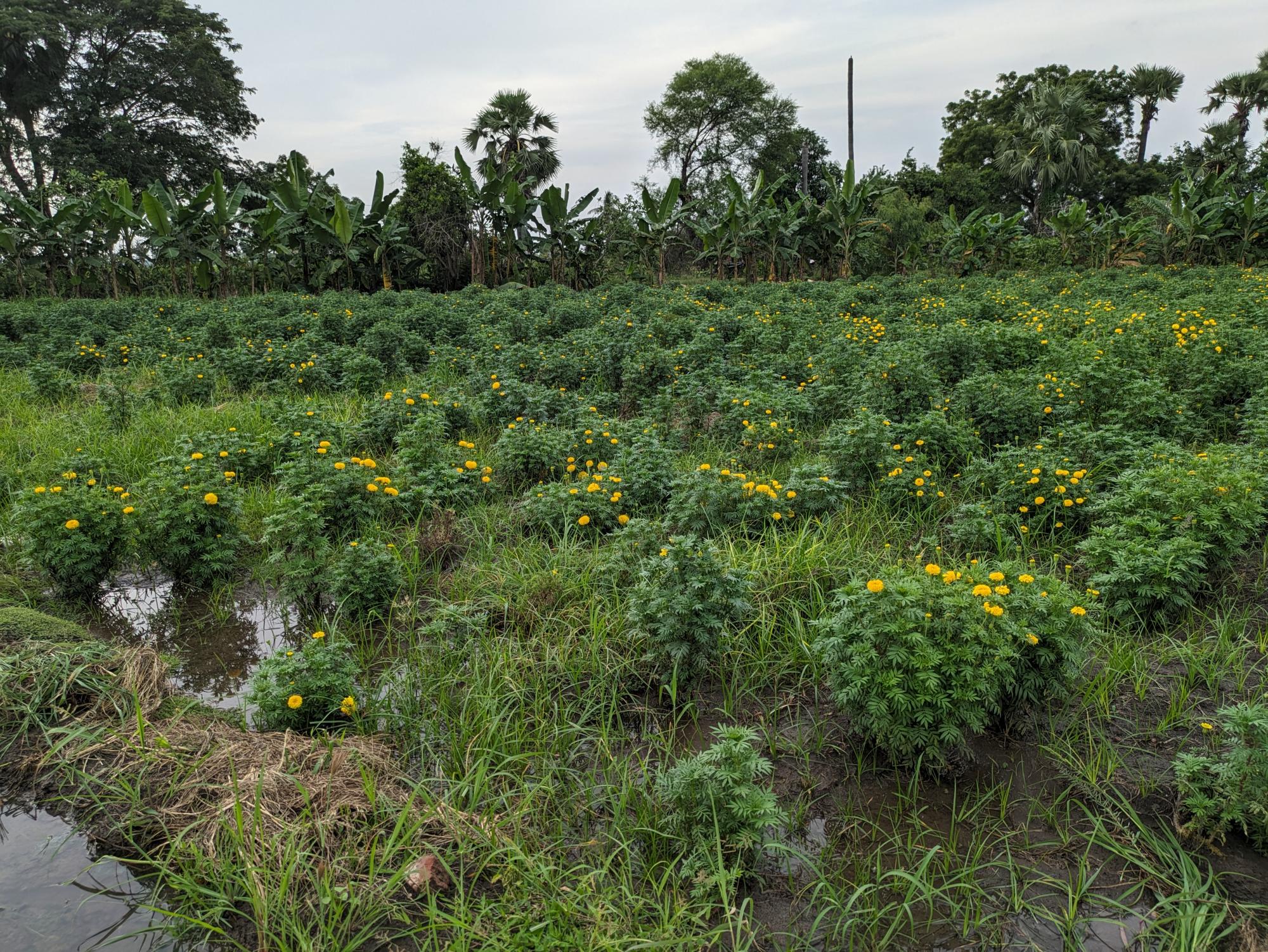
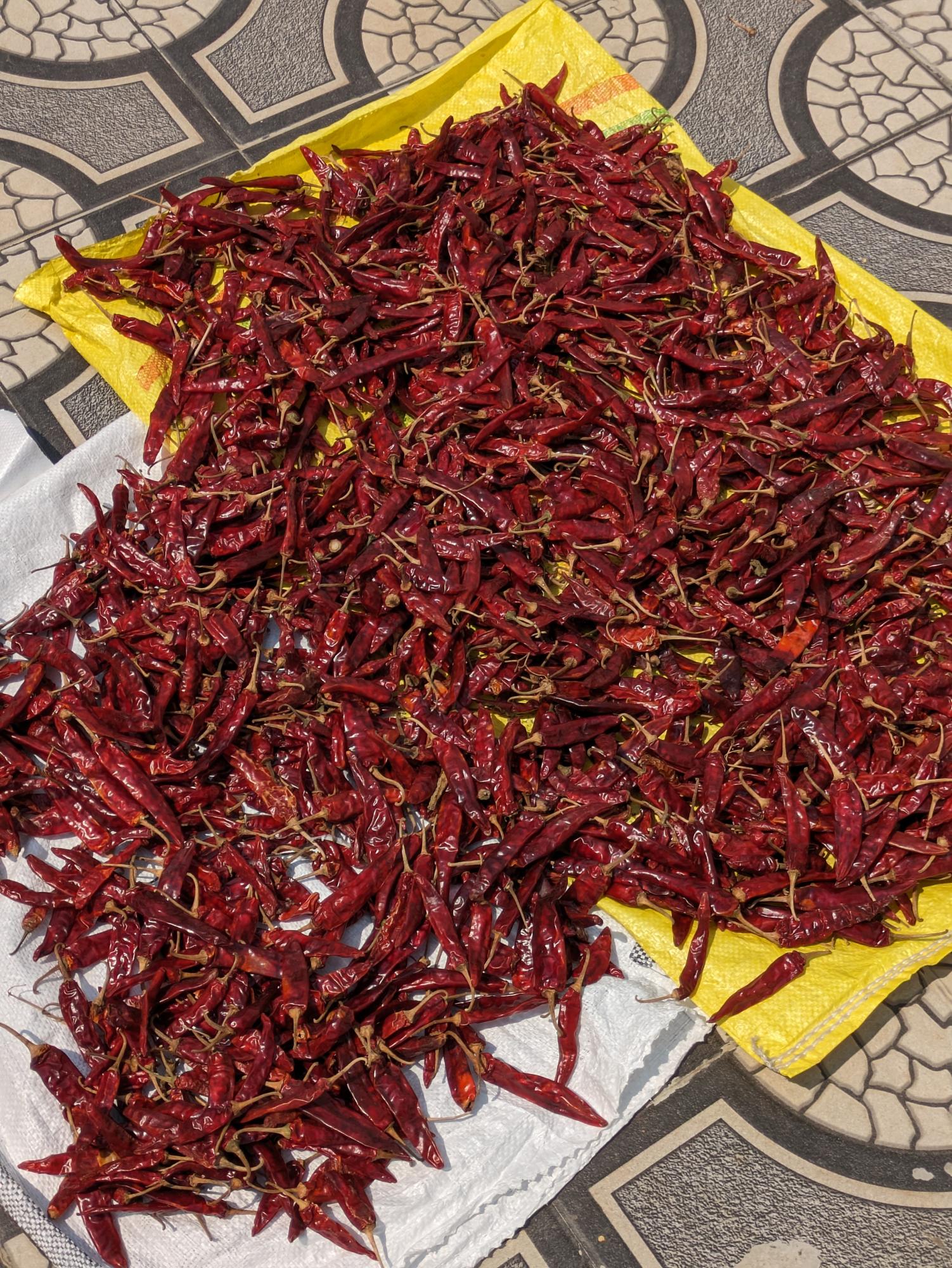
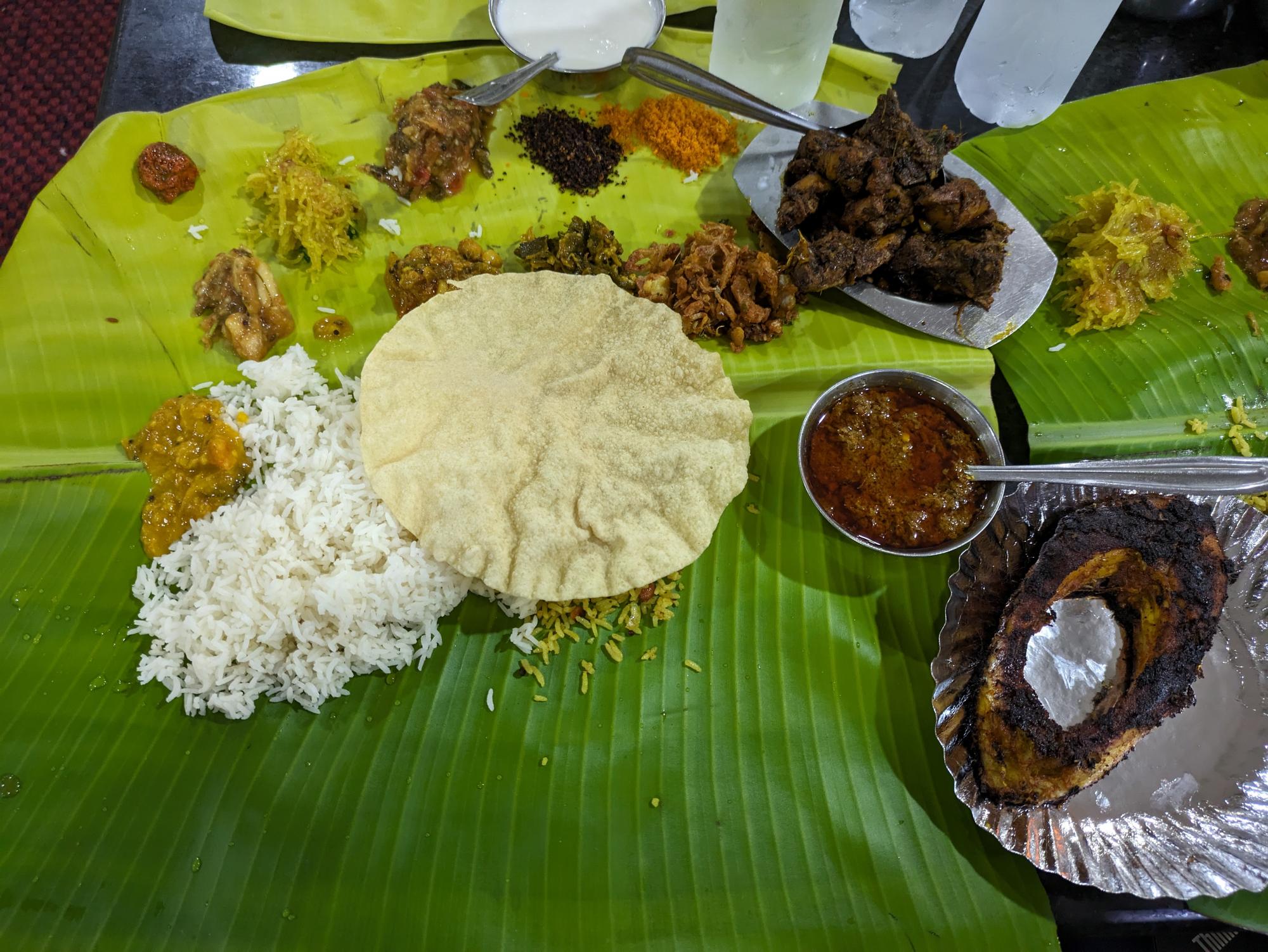
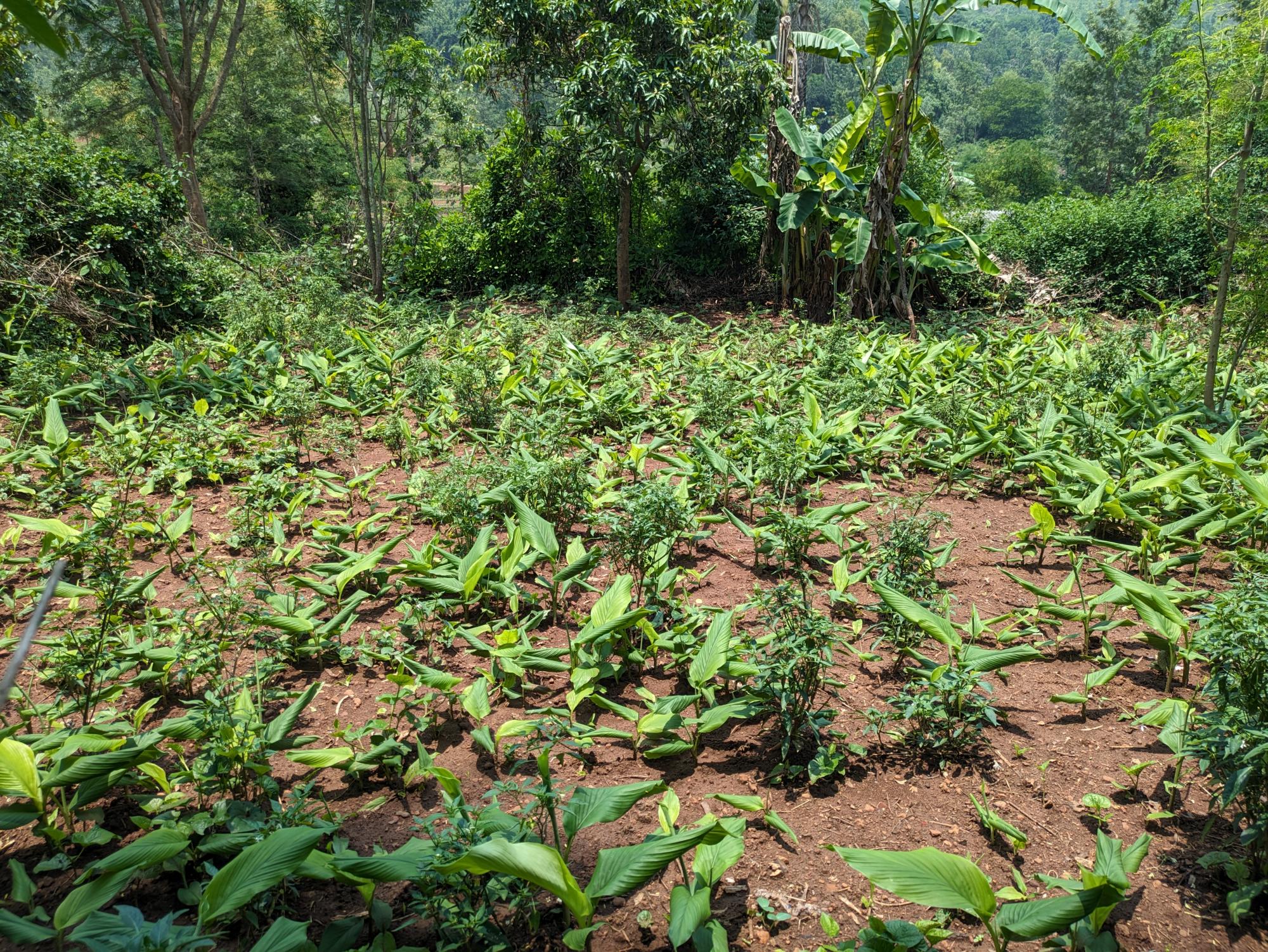
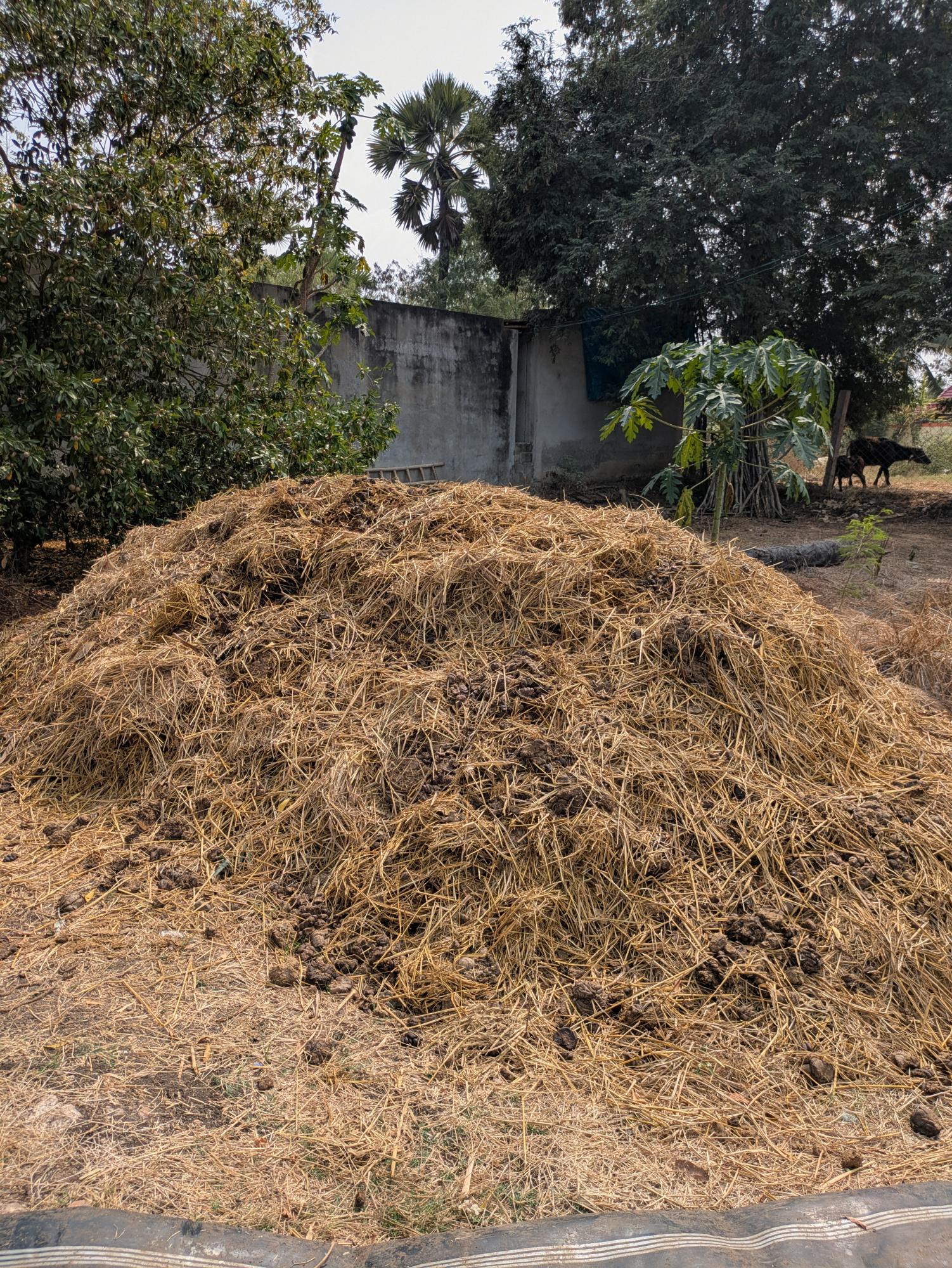
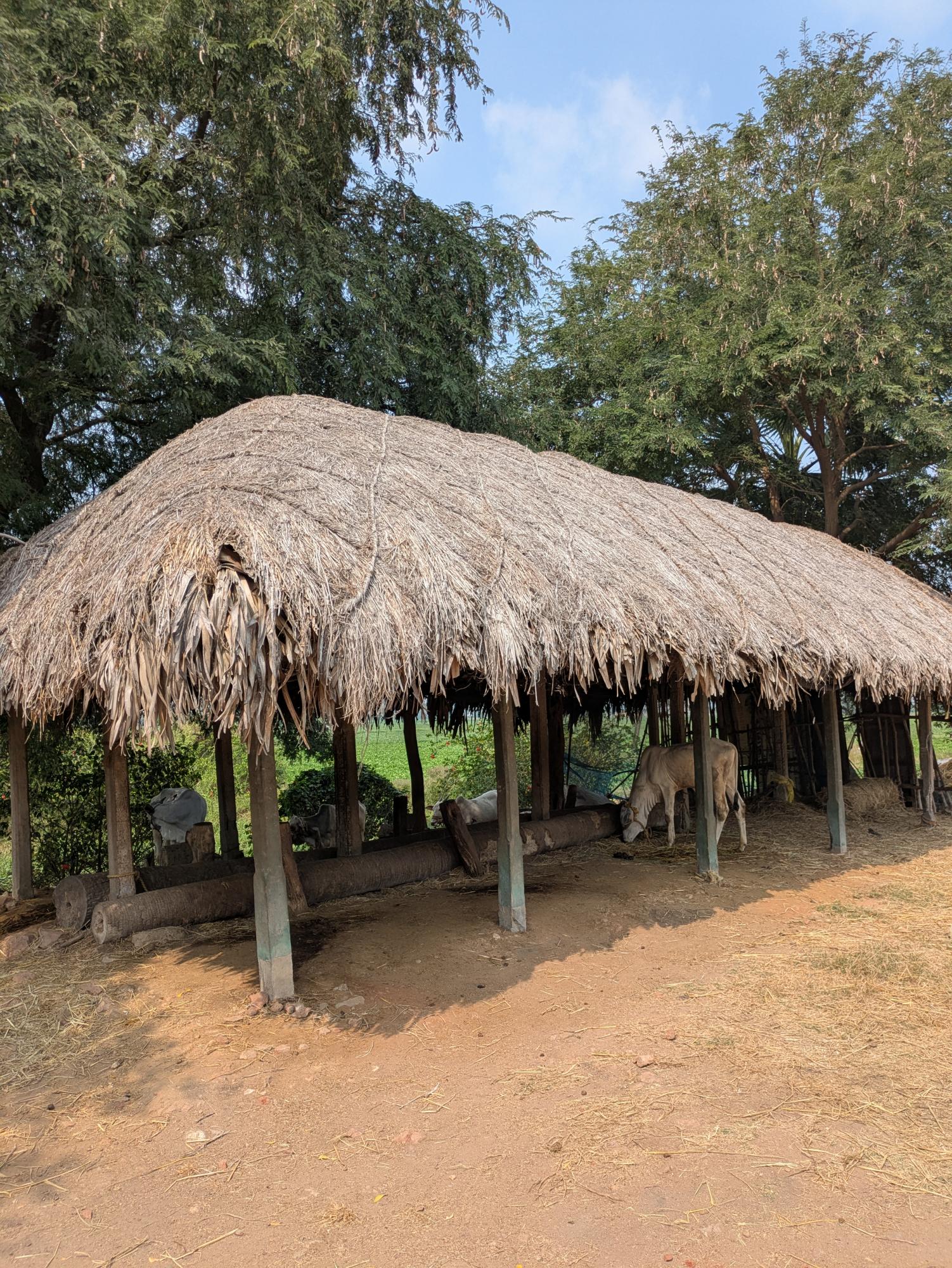
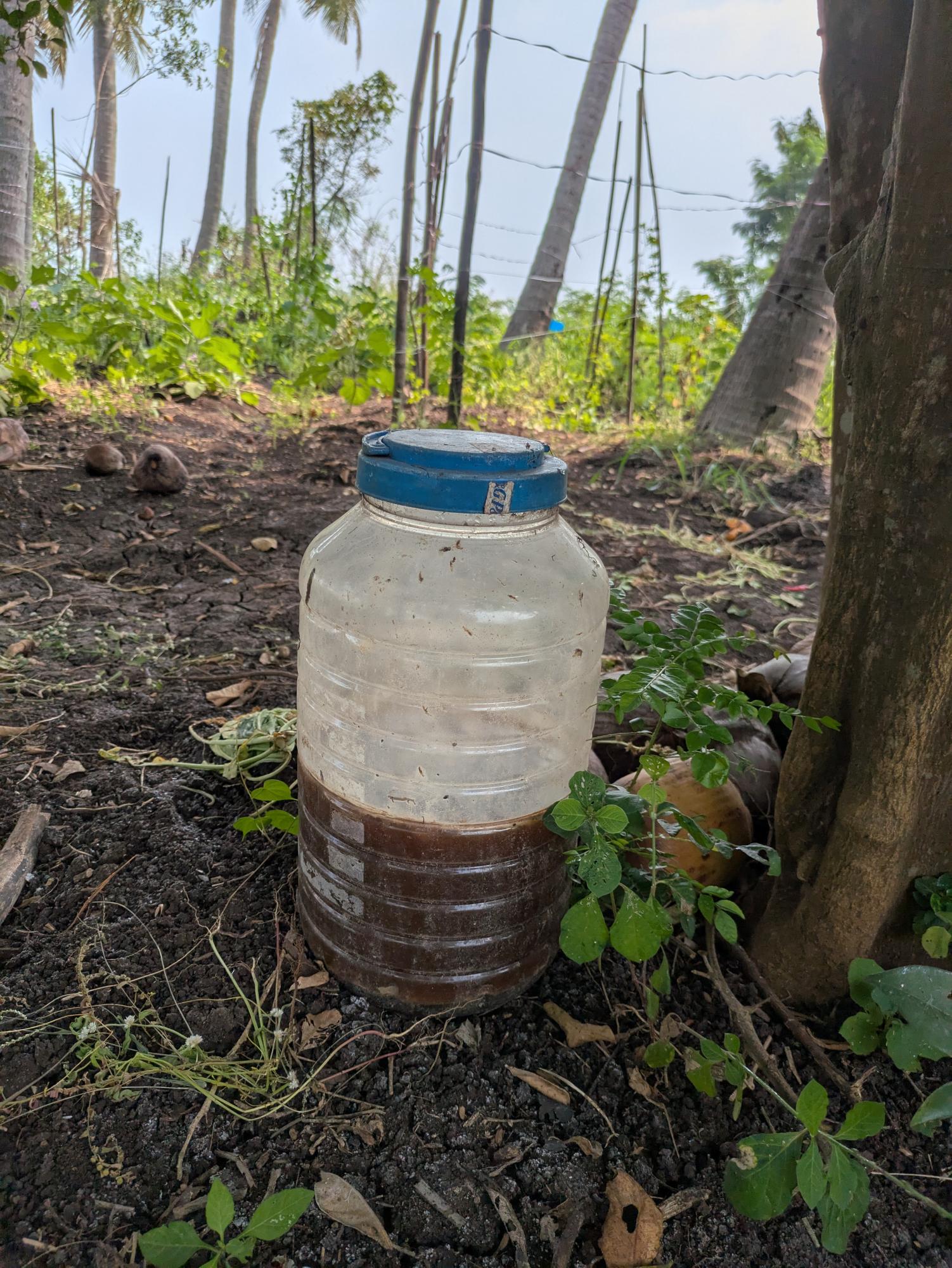
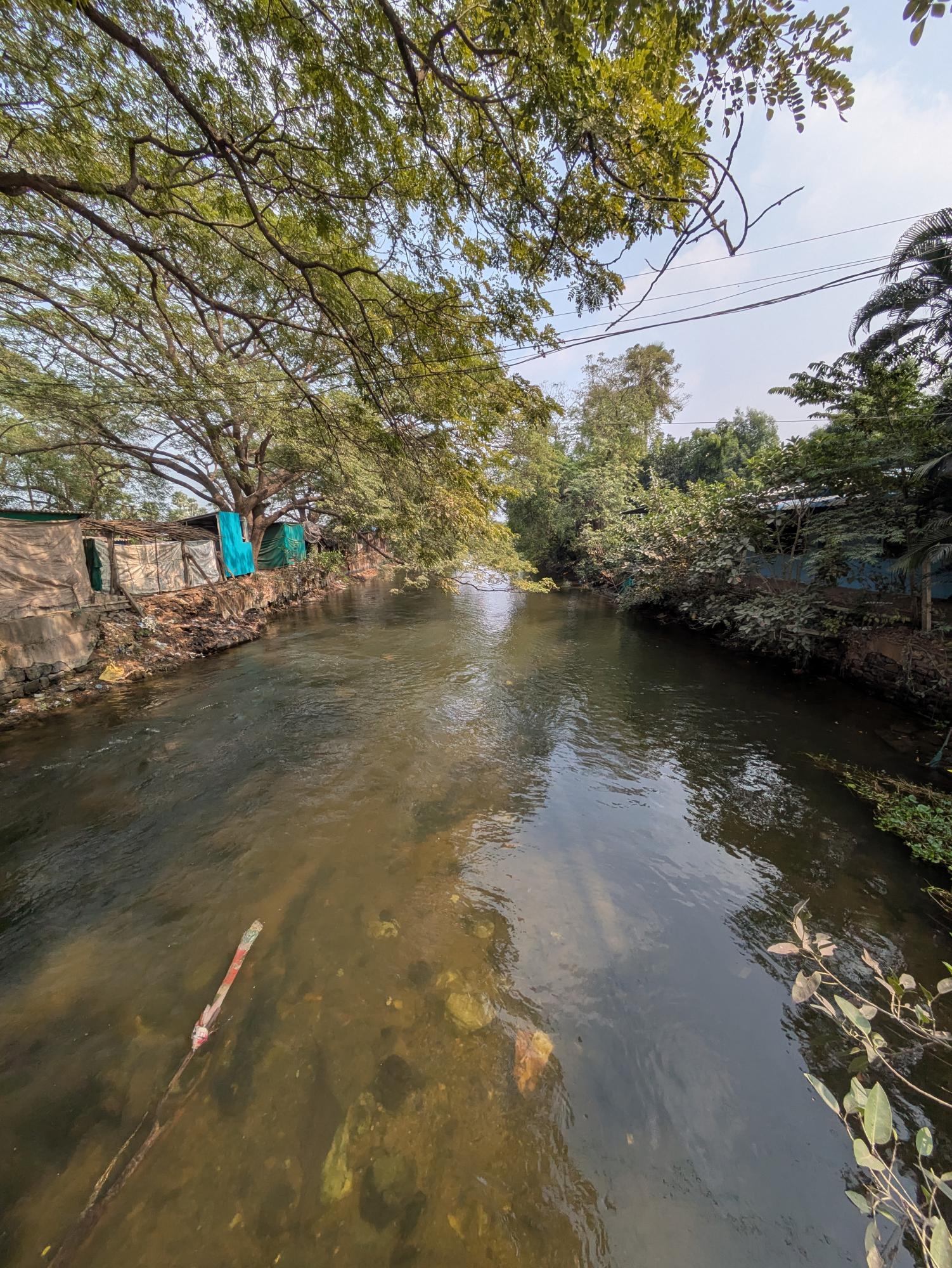
The pictures capture this method in the state of Andhra Pradesh, a pioneer in adopting natural farming in India. Pictures 1-4 present the starting stage of input preparation, which requires compost and cattle inputs like cow dung and cow urine, along with timely irrigation. This portrays the preparation of beejamrutham, Drava and ghana jeevamrutham, and kashaya, the four pillars of Zero-budget Natural Farming (ZBNF). Pictures 5-8 show the agricultural fields where good farming practices like multi-cropping, inter-cropping, trap crops, to name a few, along with the NF inputs mentioned above. Picture 9-10 presents the idea of the importance of agricultural produce along with the idea of a balanced and nutritious diet, which is to be adopted by promoting localised Kitchen gardens and multi-cropping patterns for better human development indicators.