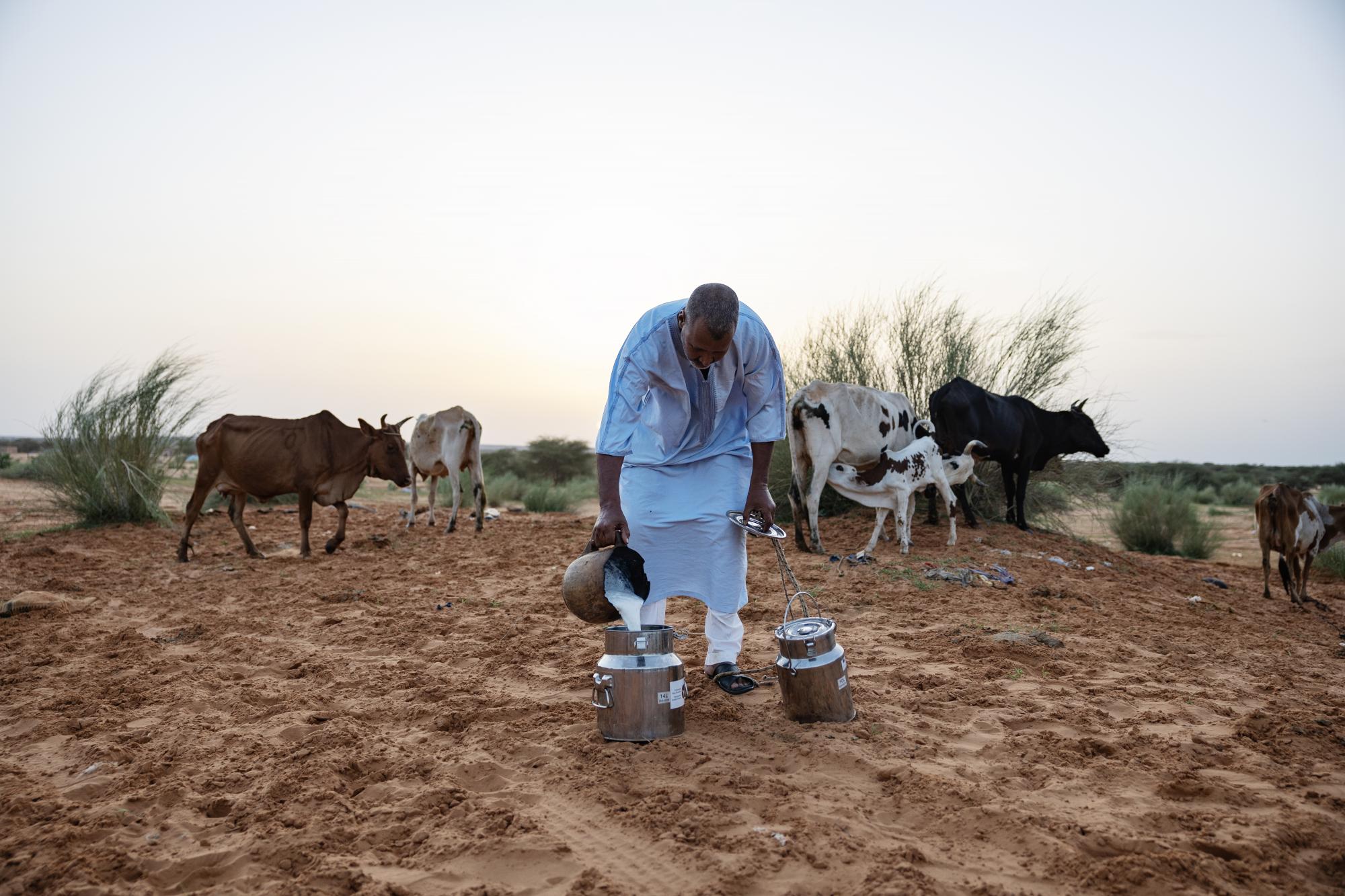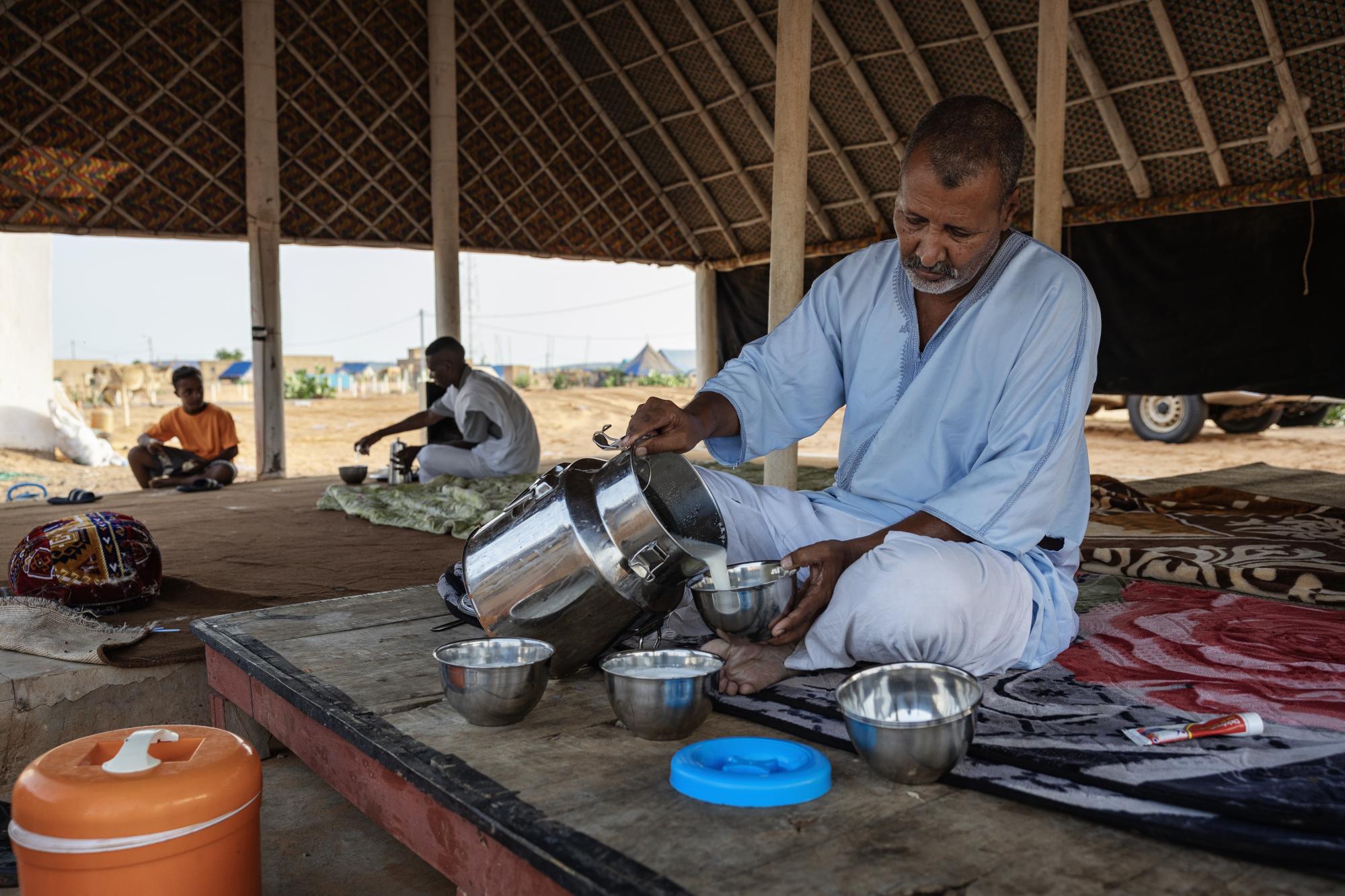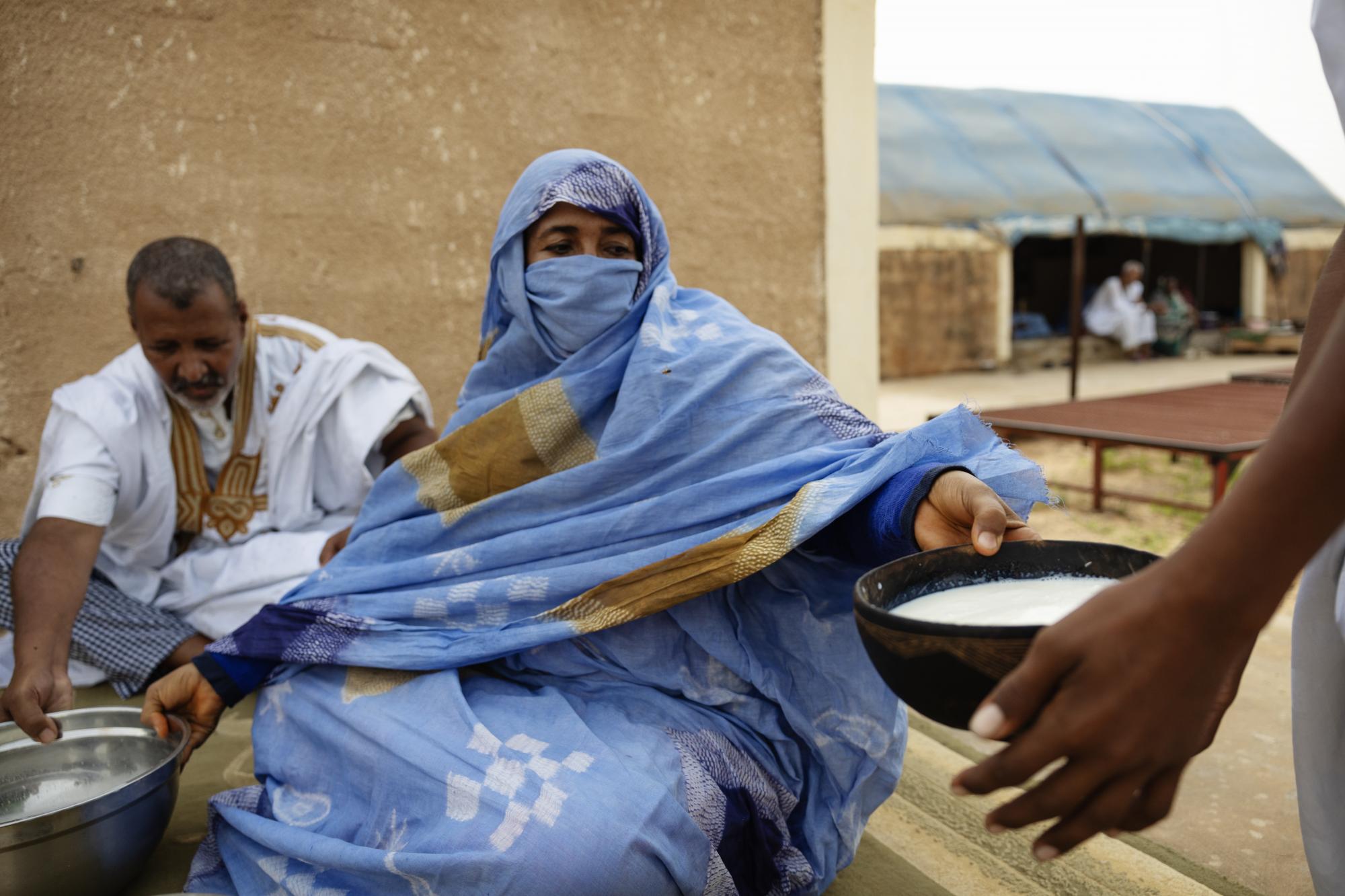
Photo story from Anthony Denaer on oportunity crops in Mauretania
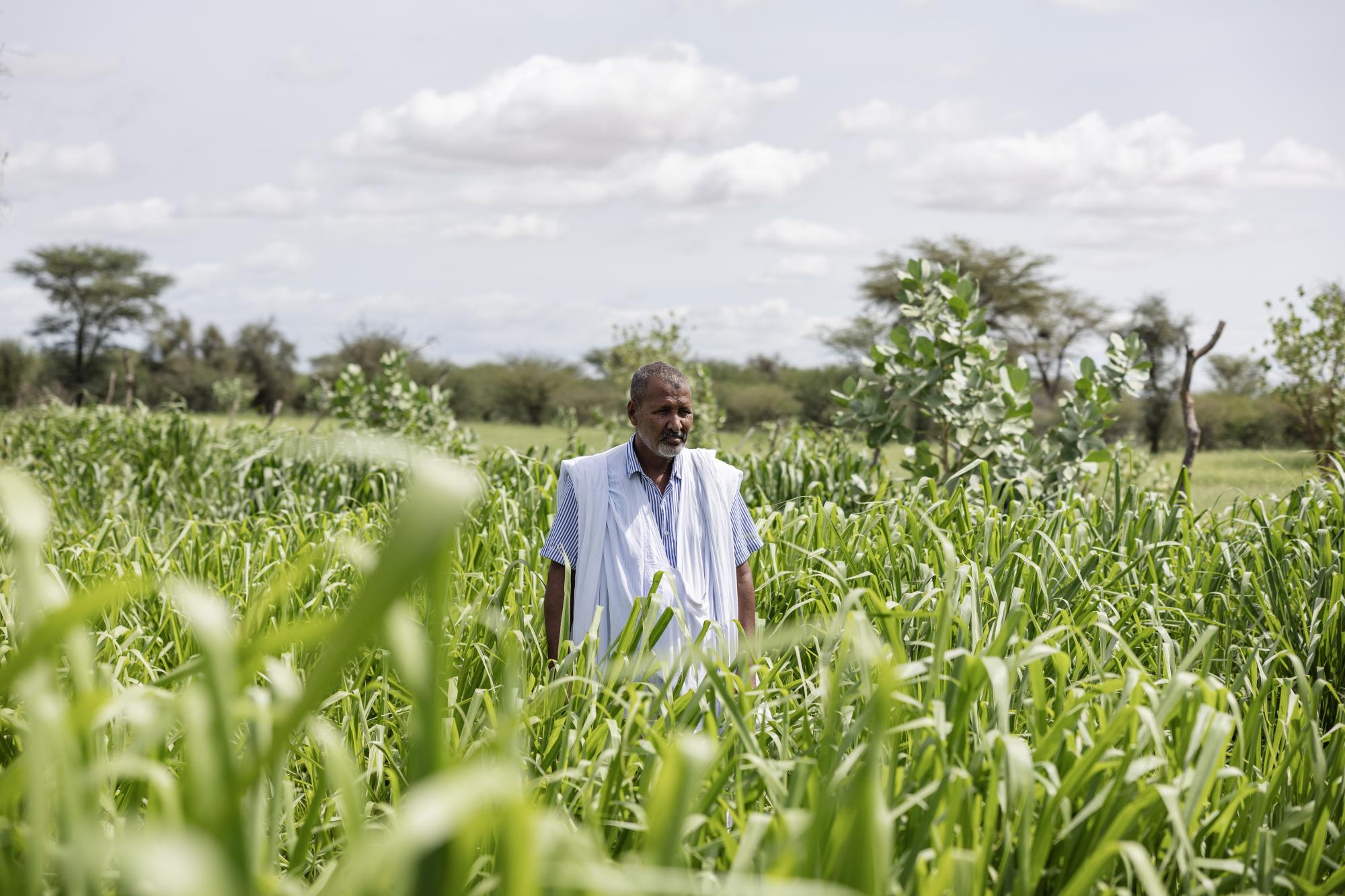
In the drylands of Mauritania – among the countries hardest hit by climate change globally – a promising shift is underway.
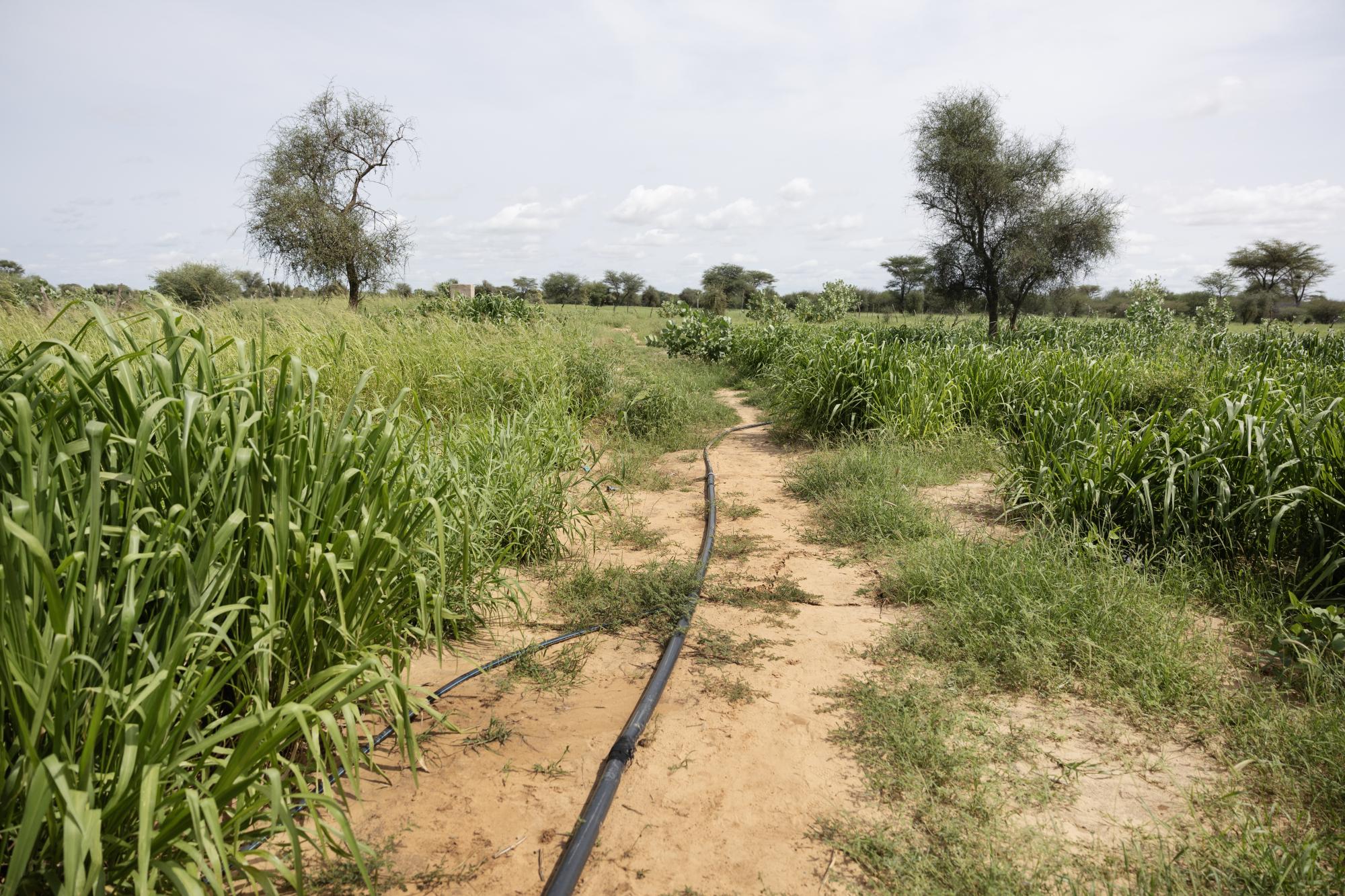
Pastoralist communities are experimenting with the local production of high-nutrition fodder crops such as niébé (cowpea), Panicum grasses, and Maralfalfa, species underutilised in traditional feed systems, yet rich in protein and well-adapted to local conditions.
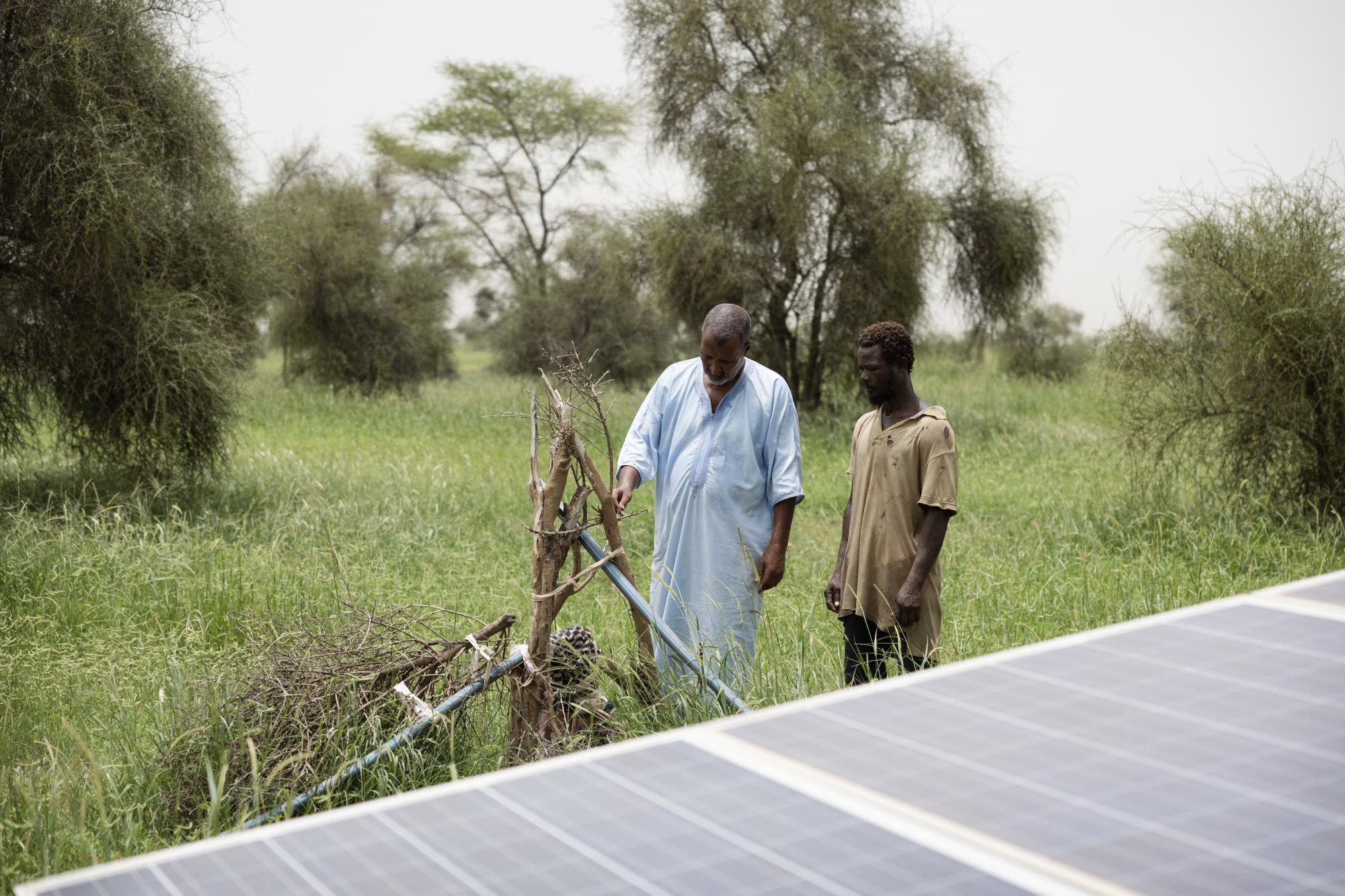
This photo story documents a growing movement among herders adopting fodder cultivation as a climate-smart strategy. Using solar-powered irrigation, these crops are cultivated during the rainy season, then harvested, dried, and stored in simple shaded conditions, retaining their nutritional value for up to one year. A single bale can feed two cows for three days, enabling some of the lactating cows to remain in the village during the dry season when transhumance is typically required.
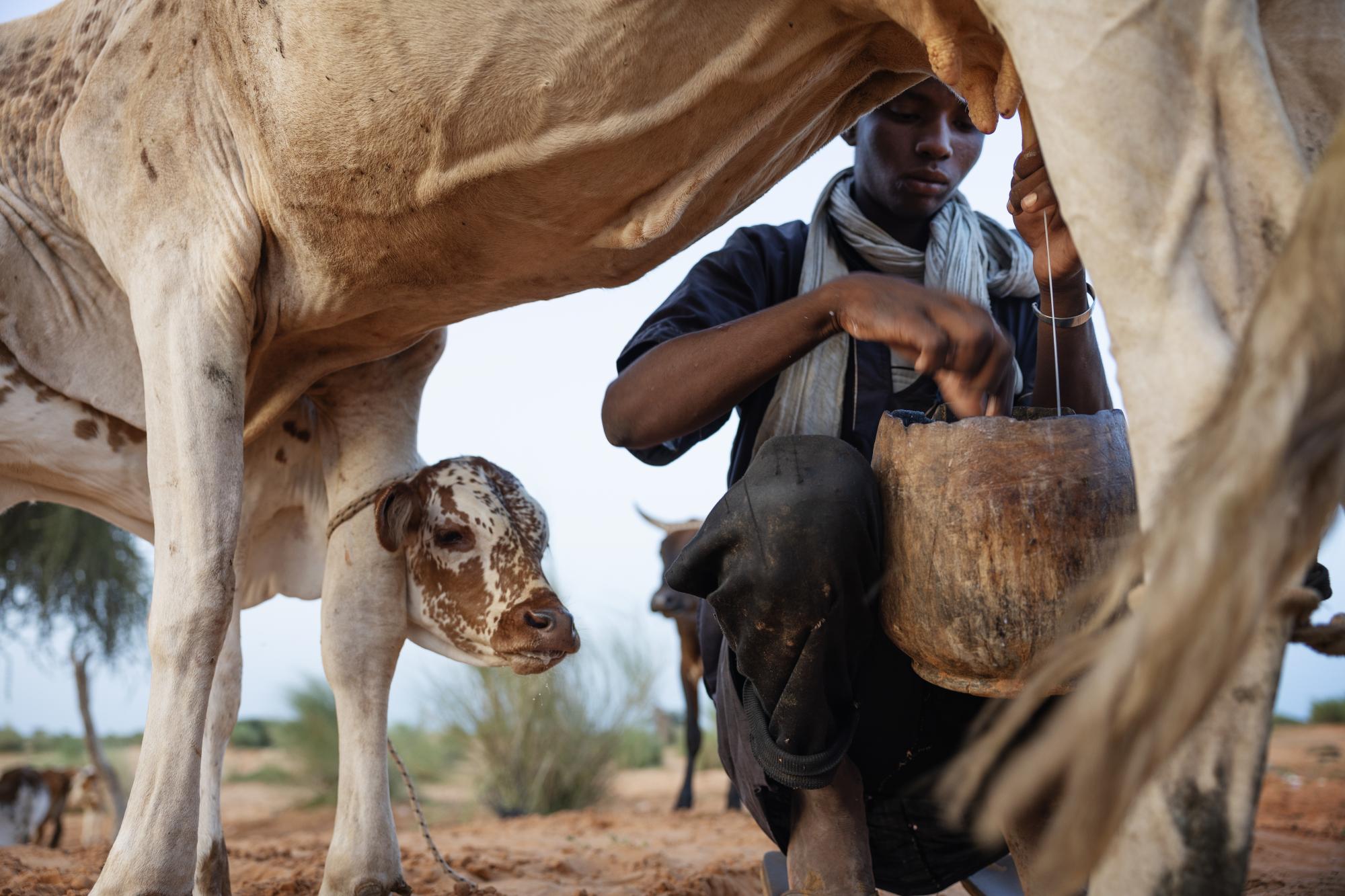
The benefits are profound. Improved dry-season nutrition extends lactation periods, increases milk yields, and ensures continuous access to dairy products. Milk, once absent from local diets for months, is now available throughout the most resource-scarce time of year. In a culture where milk is both staple and symbol, this shift holds transformative potential, not just for food security, but also for rural economies. Improved fodder production is driving the emergence of a domestic milk value chain, generating income and reducing dependence on imported milk.
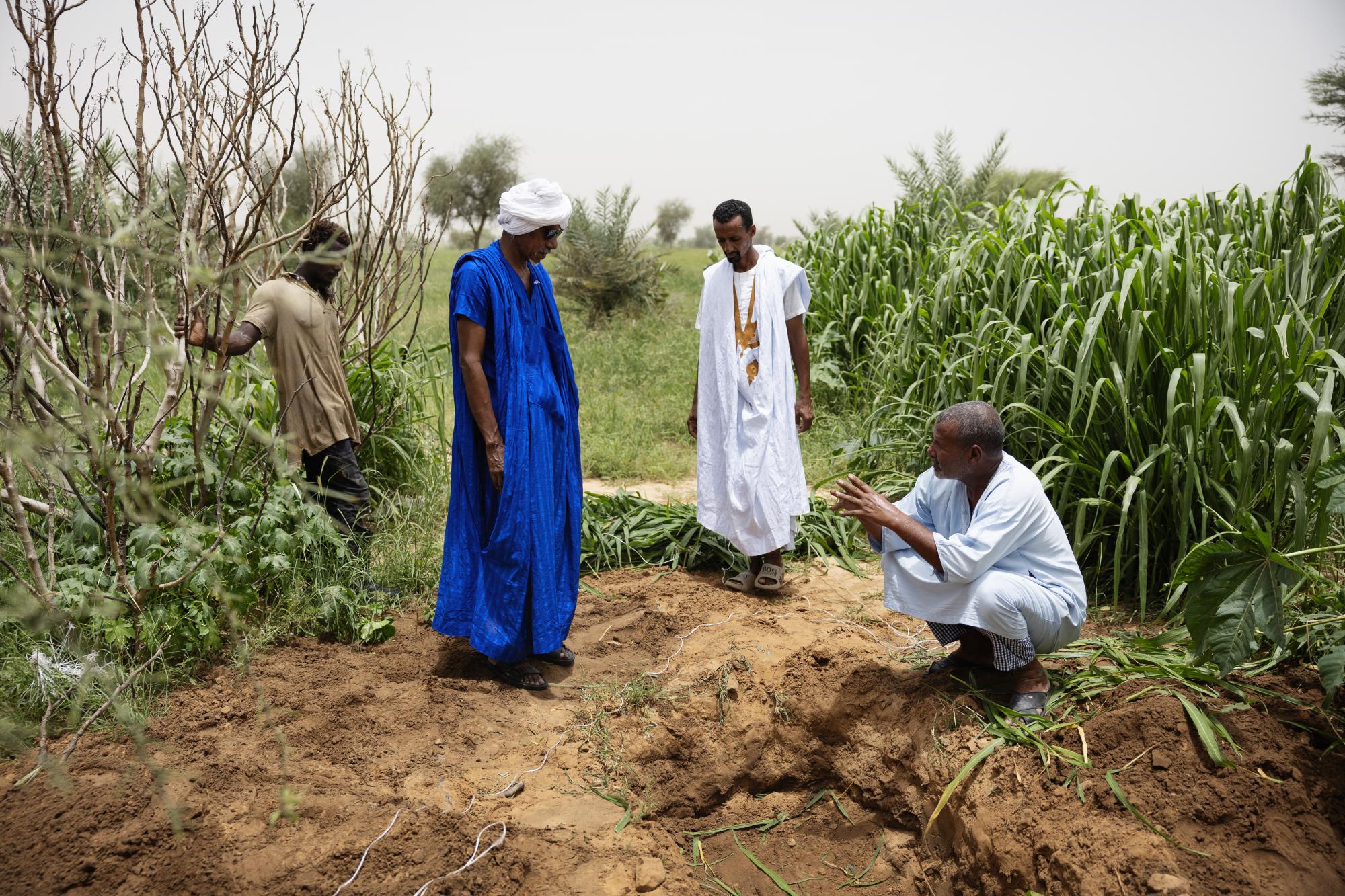
Through peer-to-peer learning and local innovation, this model is scaling. Lead farmers are training others, encouraging smaller, better-nourished herds that yield more with fewer animals. As communities adapt to climate pressures and resource variability, they are building resilience, ecologically, nutritionally, and economically.
These once-neglected fodder crops are becoming powerful catalysts for change, bridging the gap between tradition and innovation, survival and sovereignty, whilst advancing climate adaptation in the Sahel.
Farmer-led innovation and peer-to-peer knowledge exchange such as the adoption of improved fodder cultivation in Mauritania was initiated and supported by Vétérinaires Sans Frontières Belgium (VSF-B).
Photos copyright (see photo titles and metadata):
© Thomas Cytrynowicz / VSF
© Emilie Tricot / VSF